
Short answer
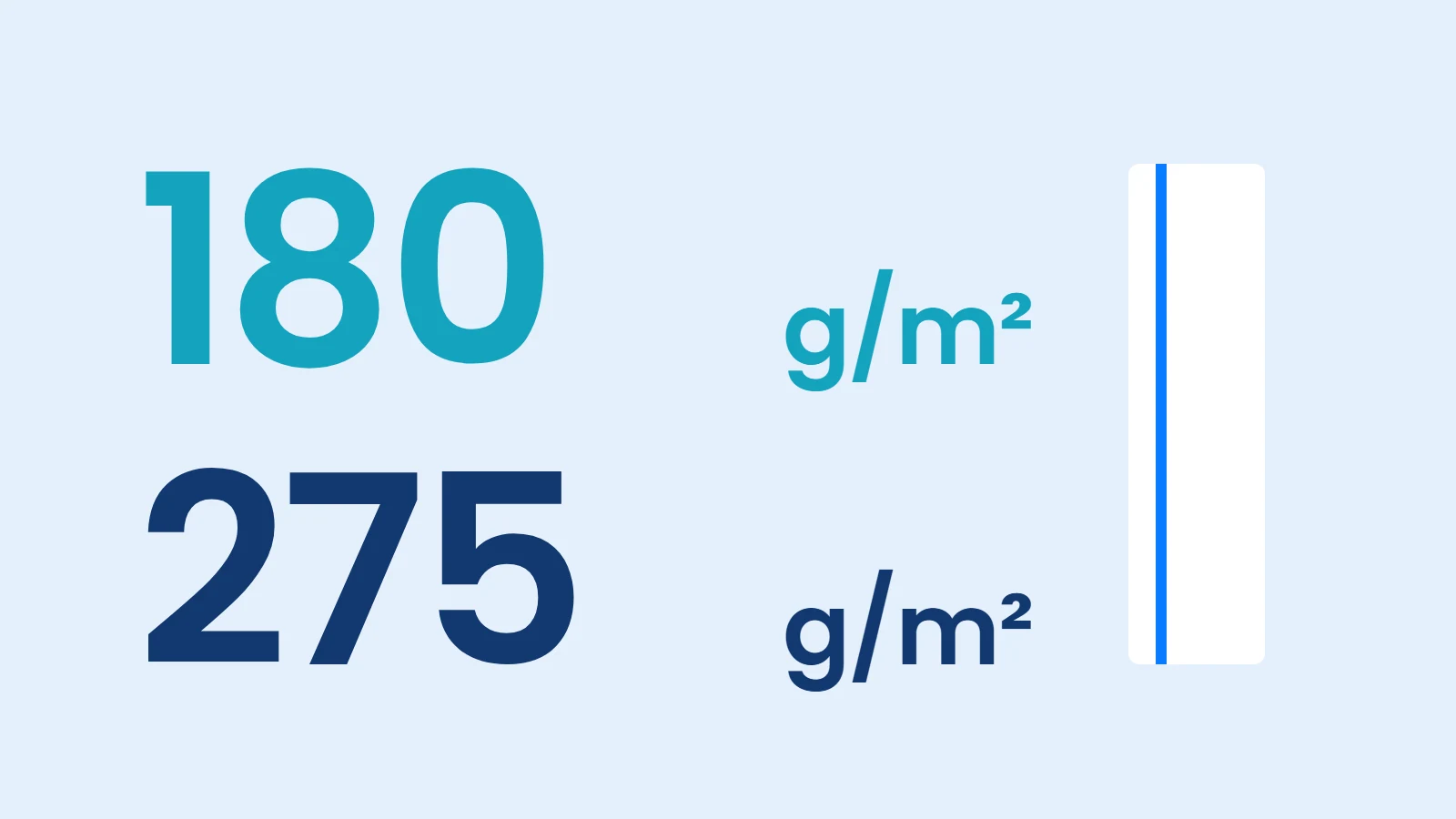
Table 1 of Annex 1 of the 2027 light steel regulation splits the provinces into two corrosion classes: at least 180 g/m² of zinc coating in the 41 low-corrosion provinces and at least 275 g/m² in the 40 high-corrosion provinces. If corrosion stresses from water, soil or industry affect the structure, the environment is taken as high corrosion.
Key points
- Low corrosion class: 41 provinces, at least 180 g/m².
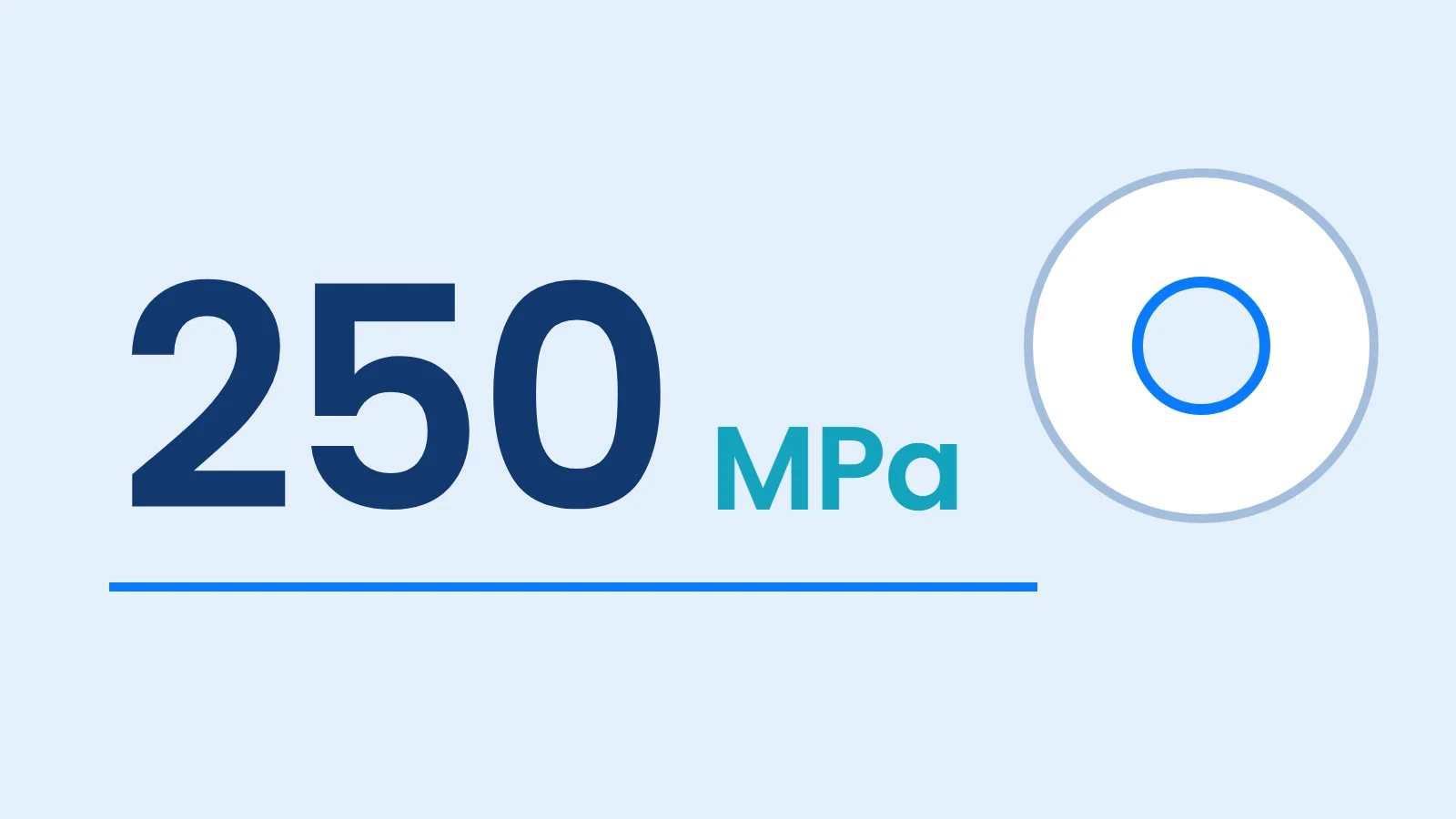
- High corrosion class: 40 provinces, at least 275 g/m².
- The class does not depend on the coast alone: Erzurum, Kars and Yozgat are also in the high-corrosion list.
- If water, soil or industrial effects are present, the environment counts as high corrosion regardless of province.
- Surfaces and holes cut on site are coated with at least two coats of zinc-based paint.
In this article
Introduction
Because the steel is thin, the life of a light steel profile is largely decided by its coating. From 1 January 2027, the Regulation on the Design, Calculation and Construction Principles of Light Steel Buildings ties the coating amount to the province where the building is located. Item (f) of Section 2 requires the classification in Annex 1 Table 1 to be taken into account.
How many g/m² are needed in which province?
Low corrosion: at least 180 g/m² (41 provinces)
Adıyaman, Afyonkarahisar, Ağrı, Aksaray, Ankara, Aydın, Batman, Bingöl, Bitlis, Burdur, Çankırı, Denizli, Diyarbakır, Elazığ, Erzincan, Eskişehir, Gaziantep, Hakkari, Iğdır, Isparta, Kahramanmaraş, Karaman, Kayseri, Kırıkkale, Kırşehir, Kilis, Konya, Kütahya, Malatya, Manisa, Mardin, Muş, Nevşehir, Niğde, Siirt, Sivas, Şanlıurfa, Şırnak, Tunceli, Uşak, Van.
High corrosion: at least 275 g/m² (40 provinces)
Adana, Amasya, Antalya, Ardahan, Artvin, Balıkesir, Bartın, Bayburt, Bilecik, Bolu, Bursa, Çanakkale, Çorum, Düzce, Edirne, Erzurum, Giresun, Gümüşhane, Hatay, İstanbul, İzmir, Karabük, Kars, Kastamonu, Kırklareli, Kocaeli, Mersin, Muğla, Ordu, Osmaniye, Rize, Sakarya, Samsun, Sinop, Tekirdağ, Tokat, Trabzon, Yalova, Yozgat, Zonguldak.
When is the province table not enough?
The regulation adds an environment condition to the province table: if corrosion stresses caused by water and soil, or corrosion stresses arising from industry, affect the structure, the environment is taken as high corrosion. So even if a building in Ankara is in the low-corrosion class, 275 g/m² may be needed in an industrial area or a water-exposed area subject to these effects.
- Is the building in contact with soil or constant moisture?
- Is there a corrosive industrial influence nearby?
- Does the load-bearing profile end up in a detail exposed to water?
- Does the use of the building create high humidity inside?
If the answer to these questions is yes, the environment itself matters more than the province of the site. The decision should be put in writing at the design stage.
Can another coating be used instead of zinc?
The regulation allows equivalent high-resistance alloys in terms of corrosion resistance and gives coatings such as ZAM, AZ and ZA as examples; it requires conformity to TS EN ISO 1461. Equivalence is shown not by a product name but by documented corrosion resistance.
How is the coating amount checked?
The Table 10.1 checklist of the regulation dedicates two items directly to this: item 1.2 requires the mill test certificate of the steel sheet used in production to be checked, and item 1.3 requires the galvanized coating amount to be selected according to Annex Table 1. When a coil arrives, check the coating value on the certificate and how the g/m² value is given (total of both faces or a single face).
Total thickness and steel core thickness are also not the same thing. The coated total thickness must not be written in place of the steel thickness used in design.
How is a surface cut on site repaired?
Item (h) of Section 2 is clear: to protect holes made on site or galvanized surfaces damaged by cutting, the hole and its surroundings are coated with at least two coats of zinc-based spray paint or galvanizing repair paint. Table 10.1 item 1.5 lists this as a separate check.
The best repair is to avoid unnecessary cutting. Making holes and notches on the rollforming line, while the profile is being produced, reduces the work that damages the coating on site.
What should you watch in QSteelCAD?
QSteelCAD moves this work to the factory by writing holes, notches and cuts into the .bde file, but it does not select the coating class. The choice of sheet and coating is the company's material decision. If you work in more than one province, write into the production plan which coil is used for each project according to its province.
Frequently asked
How many g/m² of galvanizing for İstanbul?
In Annex 1 Table 1, İstanbul is in the high-corrosion class: at least 275 g/m².
How many g/m² of galvanizing for Ankara?
Ankara is in the low-corrosion class: at least 180 g/m². If water, soil or industrial effects are present, the environment is taken as high corrosion.
Which class are İzmir, Antalya and Bursa in?
All three are in the high-corrosion class: at least 275 g/m².
When does this table apply?
The regulation takes effect on 1 January 2027. The table is included in the annex of the regulation as Annex 1.
Are Z275 and 275 g/m² the same?
Coil order codes depend on the manufacturer and the standard. Check how the value on the certificate was measured and compare it with the value in the regulation.
This article is general information. It does not replace project calculations, an engineer's approval or the official text. Articles and values were read from the texts in force on the article's date.